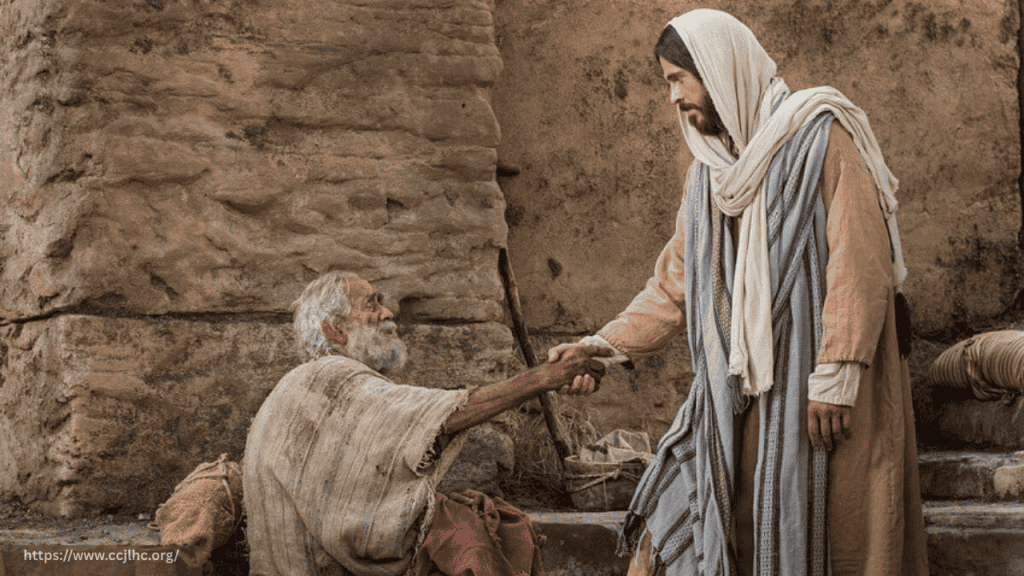
In a world filled with pain, poverty, and injustice, many people feel invisible—trapped in cycles of brokenness, abandonment, and despair. These are the marginalized: the homeless, the addicted, the imprisoned, the lonely, the rejected. But the Gospel tells us something radically different—that no one is beyond the reach of God’s love. Christian service, when done in the name and spirit of Christ, brings hope, healing, and restoration to those the world often overlooks.
Jesus’ Heart for the Marginalized
Jesus consistently demonstrated compassion toward those on the fringes of society. He didn’t shy away from the leper, the tax collector, or the beggar. He drew near. Whether feeding the hungry, healing the sick, or speaking to those shunned by society, Jesus showed that everyone matters to God.
Luke 4:18-19 echoes this mission:
“The Spirit of the Lord is on me, because he has anointed me to proclaim good news to the poor… to set the oppressed free, to proclaim the year of the Lord’s favor.”
Christ’s ministry wasn’t confined to the temple—it happened in the streets, among the hurting. And His example sets the standard for Christian service today.
The Power of Showing Up
Sometimes, hope begins with simply being present. When Christians choose to step into the lives of the marginalized—with no judgment, no agenda, just love—they reflect the very heart of Christ. A warm meal, a kind word, a listening ear, or a helping hand may seem small, but these acts of service often plant the first seeds of hope.
Service tells the marginalized, “You are not forgotten.” It reminds them that God sees them, values them, and is working through His people to meet their needs. For someone who has been overlooked or dismissed for years, this can be life-changing.
Restoring Dignity and Purpose
Christian service doesn’t just meet physical needs—it restores dignity. It invites people to see themselves not as broken or discarded, but as beloved children of God with purpose and value. Through mentoring, job training, addiction recovery programs, and spiritual discipleship, many ministries help people find freedom and a fresh start.
One powerful testimony of Christian service is the transformation that occurs when someone moves from surviving to thriving. When a person once trapped in darkness finds purpose, healing, and community, the glory belongs to God. And often, it begins with someone willing to serve.
A Church That Reflects Christ
When the Church embraces its role as the hands and feet of Jesus, communities change. Hope is restored in shelters, prisons, recovery homes, and inner cities—not because of grand programs, but because people show up with the love of Christ.
Micah 6:8 reminds us of our calling: “To act justly and to love mercy and to walk humbly with your God.” Christian service is not just a good deed—it’s a spiritual act of worship, one that mirrors God’s heart for the least, the lost, and the lonely.
Conclusion
In a hurting world, Christian service is a powerful force for restoration. When we love the marginalized as Christ loves us, we don’t just change lives—we bring hope where there was once only despair. And in doing so, we fulfill the Gospel we proclaim.