Healing Through Love: Serving Addiction Recovery with Christ‑Centered Compassion

When addiction and mental health struggles arise, hope can feel distant—but healing is possible. At Catholic Charities of Jackson, Lenawee, and Hillsdale Counties (CCJLHC), we believe true transformation begins with Christ‑centered compassion and holistic, individualized care. Our faith‑rooted approach offers a path from brokenness to dignity, guiding individuals through personalized inpatient and outpatient addiction recovery, mental health treatment, and integrated healing.

A Compassionate Foundation for Recovery

At CCJLHC, healing is never one‑size‑fits‑all. We understand that addiction often coexists with mental health challenges, each requiring sensitivity, medical support, and spiritual integration. Our programs are designed to meet each person where they are—offering inpatient care when an immersive, structured environment is essential, and outpatient services for when flexibility supports long‑term healing.

Our professional team partners with each individual to craft a personalized recovery journey. From licensed counselors to faith‑based peers, each person is surrounded by a community committed to walking alongside them, honoring their humanity and reflecting God’s unconditional love.

The Role of Faith‑Based, Holistic Healing

True recovery is holistic, addressing body, mind, and spirit. By integrating faith into treatment, CCJLHC nurtures spiritual resilience alongside clinical care. No matter one’s belief background, our compassionate approach invites healing through grace, reflection, community, and purposeful support.

Holistic methods might include:

  • Faith‑centered counseling, connecting recovery with hope rooted in Christ.
  • Support for co‑occurring disorders, ensuring addiction and mental health are both treated compassionately.
  • Wrap‑around services, such as case management, peer groups, and community referrals that support housing, employment, or continued care.

Inpatient and Outpatient Care That Respects Individual Needs

Recovery is personal—and so is our care. Inpatient programs provide a structured environment for those requiring stability and focus, with daily spiritual support, therapeutic interventions, and client‑centered care.

Outpatient services offer continued support after inpatient treatment or serve those needing flexibility. These services ease transitions back to daily life, ensuring clients remain supported in therapy, group connection, and recovery planning.

Our goal is healing that endures—not temporary fixes, but real transformation that reconnects individuals with hope, purpose, and community.

Why Serving Others Reveals God’s Heart

When our staff, volunteers, and donors serve individuals in recovery, they mirror Christ’s love. Every act—from offering a listening ear to providing a meal, from mentoring to extending grace—demonstrates a God‑centered compassion. These loving actions help restore dignity and signal to each person: you are seen, you are valued, you are not walking this journey alone.

As the CCJLHC mission reminds us, service rooted in faith not only nurtures healing—it also nurtures spiritual growth for those who serve. Through this shared journey, our community grows stronger, more compassionate, and more deeply connected to God’s healing heart.

Take the Next Step: You Are Not Alone

Recovery is a brave step, but you do not take it alone. Whether you or someone you love is struggling with addiction or mental health challenges, CCJLHC stands ready to walk alongside you—in Christ’s love, with compassionate, professional care.

Reach out today for a confidential conversation about your needs and how we can help you begin a personalized journey toward lasting recovery and restoration. At CCJLHC, hope is real, healing is possible, and love leads the way.


Faith, Hope, and Love: Transforming Communities Through Christ’s Power

In a world filled with division, despair, and uncertainty, many communities are searching for something that can bring lasting change. While programs and policies may address temporary needs, true transformation comes through something deeper—something eternal. The Apostle Paul reminds us in 1 Corinthians 13:13, “And now these three remain: faith, hope and love. But the greatest of these is love.” When these three foundational virtues are lived out through the power of Christ, entire communities can be renewed and transformed.

Faith: Building a Foundation

Faith is the starting point of all transformation. It is the belief that God is who He says He is and that He can do what He promises. Faith empowers individuals and communities to trust in something greater than themselves. It turns fear into courage and weakness into strength.

Communities grounded in faith learn to rely on God’s wisdom rather than human understanding. Churches become places of refuge, families become stronger, and people begin to walk in unity. Faith in Christ breaks chains of addiction, heals broken relationships, and empowers people to pursue purpose with confidence. It instills a sense of spiritual identity and direction that no government or program can offer.

Hope: Lighting the Way Forward

Hope is the fuel that keeps faith alive. It is the confident expectation that God is working all things together for good. For communities weighed down by poverty, violence, or despair, hope becomes a light in the darkness.

The message of Christ brings powerful hope to the hopeless. Through His resurrection, we are reminded that no situation is too broken to be redeemed. Ministries and outreach efforts that bring hope—through counseling, job training, education, and spiritual support—can revitalize entire neighborhoods. Hope gives people a reason to keep going, to believe that change is possible, and to dream again.

Love: The Greatest Force of All

While faith and hope are crucial, love is the most powerful force of transformation. Love compels us to act. Jesus said in John 13:35, “By this everyone will know that you are my disciples, if you love one another.”

When believers serve their neighbors, care for the needy, and build bridges across racial and social divides, they demonstrate the love of Christ in action. Love feeds the hungry, visits the lonely, and embraces the outcast. It turns strangers into family and communities into places of belonging.

Love is not passive—it is active, bold, and relentless. When communities are rooted in Christ’s love, forgiveness replaces bitterness, generosity replaces greed, and peace replaces fear.

Conclusion: Christ, the True Source of Change

True transformation does not come through human effort alone. It comes through the power of Christ, working in and through His people. When faith is strong, hope is alive, and love is overflowing, communities are changed—not just on the surface, but at the heart.

Let us commit to being agents of faith, hope, and love. Through Christ’s power, we can help rebuild broken places and bring healing, unity, and purpose to the world around us.

Healing Through Love: How Serving Others Reveals God’s Heart

Love is at the very core of who God is. The Bible tells us in 1 John 4:8, “God is love.” This love is not abstract or distant—it is active, present, and deeply personal. One of the most powerful ways we reveal God’s heart to the world is through serving others. In doing so, we become instruments of His healing, compassion, and grace. Service rooted in love does more than meet physical needs; it touches souls, restores dignity, and opens hearts to the presence of God.

Love That Heals

There is a unique healing that comes through love—especially the kind that shows up in action. When we serve someone in need, we are saying, “You are seen. You are valued. You are not alone.” For the hurting and broken, these simple truths can bring hope and begin the process of healing wounds that may have festered for years.

Whether it’s a warm meal for the hungry, a kind word for the discouraged, or a listening ear for the grieving, acts of love speak louder than sermons. Jesus modeled this perfectly. His ministry was full of healing, not just physically, but emotionally and spiritually. He reached into people’s pain, not with judgment, but with compassion.

Reflecting God’s Heart

Serving others is not just about doing good—it’s about revealing the character of God. His heart breaks for the lonely, the marginalized, and the forgotten. When we choose to serve, especially those who cannot repay us, we reflect the very heart of our Creator.

Jesus made this clear in Matthew 25:40: “Whatever you did for one of the least of these brothers and sisters of mine, you did for me.” Every time we serve the hurting, we are serving Christ Himself. That sacred truth gives meaning and power to even the smallest act of kindness.

Love in Action

Healing through love happens when service becomes a lifestyle, not just an event. It’s found in mentoring a struggling youth, offering support to a single mother, praying for a neighbor, or volunteering at a shelter. These acts don’t require perfection—just a willing heart.

When we serve with genuine love, people encounter God. They may not walk into a church building, but through our compassion, they see His grace. Many who have felt abandoned by the world come to understand that they have never been abandoned by God.

A Heart Transformed

The beautiful irony of service is that while it brings healing to others, it also transforms us. We become more compassionate, more grateful, and more aware of God’s presence in everyday life. In giving love, we receive it. In bringing healing, we are healed.

Conclusion

Serving others is one of the most powerful ways to reveal God’s heart and bring healing into a broken world. It is love in motion, faith in action, and a living testimony to the grace of Christ. When we serve with love, we do more than help—we become a reflection of the God who heals, restores, and loves without limits.

Walking in Christ’s Footsteps: A Journey of Selfless Service

To walk in Christ’s footsteps is more than an idea—it is a way of life marked by humility, love, and sacrifice. Jesus came not to be served, but to serve (Mark 10:45), and His entire life was a living example of selfless service. From healing the sick to washing the disciples’ feet, Jesus consistently demonstrated that greatness in the Kingdom of God is found in giving of oneself for the good of others. For every believer, the journey of following Him is inseparable from the call to serve.

The Example of Jesus

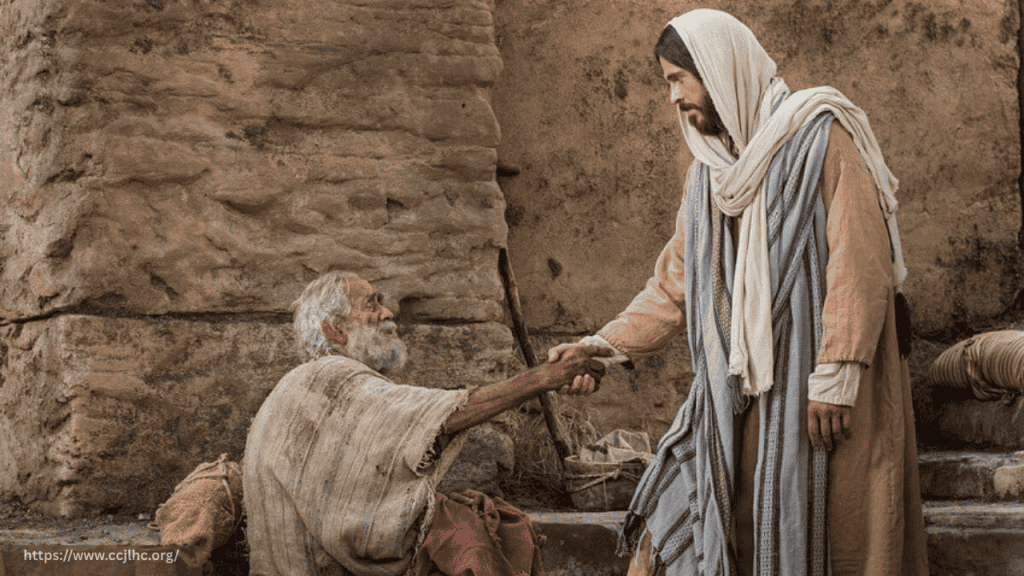
Jesus’ ministry was deeply personal and compassion-driven. He never turned away those in need. Instead, He touched lepers, wept with the grieving, fed the hungry, and uplifted the poor. He noticed the invisible and dignified the outcast. His service wasn’t a duty—it flowed from a heart full of divine love.

In John 13, we find a profound moment when Jesus washes His disciples’ feet. This was the task of the lowliest servant, yet the Son of God knelt to serve. Afterward, He said, “I have set you an example that you should do as I have done for you” (John 13:15). This moment is a clear call to every believer: to follow Christ is to serve others with humility and love.

The Heart of Selfless Service

Selfless service begins when we put the needs of others before our own desires. It may mean sacrificing our time, comfort, or resources. But in doing so, we reflect the very nature of Christ. Philippians 2:3-5 reminds us, “Do nothing out of selfish ambition… but in humility consider others better than yourselves. Your attitude should be the same as that of Christ Jesus.”

This mindset transforms how we view the world. Instead of seeing people as interruptions, we see them as opportunities to love. We begin to notice the lonely neighbor, the struggling single parent, or the coworker carrying silent burdens. Selfless service meets people where they are and says, “You matter. You are not alone.”

The Blessing of the Journey

Walking in Christ’s footsteps is not always easy. Serving others can be messy, draining, and thankless. But it is also one of the most rewarding paths we can walk. When we serve, we often receive more than we give. Our faith deepens, our hearts grow softer, and our lives become richer in purpose.

Moreover, our service becomes a testimony. It speaks louder than words and draws people toward the heart of God. In a world full of self-interest, selfless love shines brightly.

Living the Call

Walking in Christ’s footsteps is a daily choice. It’s found in quiet acts of kindness, unseen sacrifices, and moments of grace extended. You don’t need a title or a platform to serve—you simply need a willing heart.

As we journey with Christ, let us remember that our greatest calling is to love and serve. When we walk in His footsteps, we bring His presence into the lives of others—and in doing so, we draw nearer to Him.

Hope Restored: The Impact of Christian Service on the Marginalized

In a world filled with pain, poverty, and injustice, many people feel invisible—trapped in cycles of brokenness, abandonment, and despair. These are the marginalized: the homeless, the addicted, the imprisoned, the lonely, the rejected. But the Gospel tells us something radically different—that no one is beyond the reach of God’s love. Christian service, when done in the name and spirit of Christ, brings hope, healing, and restoration to those the world often overlooks.

Jesus’ Heart for the Marginalized

Jesus consistently demonstrated compassion toward those on the fringes of society. He didn’t shy away from the leper, the tax collector, or the beggar. He drew near. Whether feeding the hungry, healing the sick, or speaking to those shunned by society, Jesus showed that everyone matters to God.

Luke 4:18-19 echoes this mission:
“The Spirit of the Lord is on me, because he has anointed me to proclaim good news to the poor… to set the oppressed free, to proclaim the year of the Lord’s favor.”

Christ’s ministry wasn’t confined to the temple—it happened in the streets, among the hurting. And His example sets the standard for Christian service today.

The Power of Showing Up

Sometimes, hope begins with simply being present. When Christians choose to step into the lives of the marginalized—with no judgment, no agenda, just love—they reflect the very heart of Christ. A warm meal, a kind word, a listening ear, or a helping hand may seem small, but these acts of service often plant the first seeds of hope.

Service tells the marginalized, “You are not forgotten.” It reminds them that God sees them, values them, and is working through His people to meet their needs. For someone who has been overlooked or dismissed for years, this can be life-changing.

Restoring Dignity and Purpose

Christian service doesn’t just meet physical needs—it restores dignity. It invites people to see themselves not as broken or discarded, but as beloved children of God with purpose and value. Through mentoring, job training, addiction recovery programs, and spiritual discipleship, many ministries help people find freedom and a fresh start.

One powerful testimony of Christian service is the transformation that occurs when someone moves from surviving to thriving. When a person once trapped in darkness finds purpose, healing, and community, the glory belongs to God. And often, it begins with someone willing to serve.

A Church That Reflects Christ

When the Church embraces its role as the hands and feet of Jesus, communities change. Hope is restored in shelters, prisons, recovery homes, and inner cities—not because of grand programs, but because people show up with the love of Christ.

Micah 6:8 reminds us of our calling: “To act justly and to love mercy and to walk humbly with your God.” Christian service is not just a good deed—it’s a spiritual act of worship, one that mirrors God’s heart for the least, the lost, and the lonely.

Conclusion

In a hurting world, Christian service is a powerful force for restoration. When we love the marginalized as Christ loves us, we don’t just change lives—we bring hope where there was once only despair. And in doing so, we fulfill the Gospel we proclaim.

Love Without Limits: Following Jesus’ Example in Caring for the Needy

The love of Jesus knows no boundaries. It crosses social, racial, economic, and cultural lines. It sees beyond appearances and reaches into the deepest needs of the human heart. Throughout His ministry on earth, Jesus demonstrated a radical, limitless love—especially for the poor, the sick, the outcast, and the broken. As His followers, we are called to follow His example by caring for the needy with the same selfless compassion and unwavering grace.

Jesus: The Model of Unconditional Love

The Gospels are filled with stories of Jesus reaching out to those whom society had forgotten. He healed lepers, dined with tax collectors, defended the sinful, and touched the lives of people others avoided. He showed mercy to the woman caught in adultery, welcomed children with open arms, and spoke hope to the Samaritan woman at the well.

Jesus didn’t serve selectively—He served wholeheartedly. His love was not limited by someone’s past, reputation, or social status. He simply saw people for who they were: beloved creations of God in need of grace. John 13:34 reminds us of His command: “Love one another. As I have loved you, so you must love one another.”

A Call to Radical Compassion

In today’s world, it’s easy to overlook the needy. We may pass by the homeless without a second glance, or avoid involvement with people whose lives seem too complicated. But Christ calls us to a different standard—to love without limits. This means loving even when it’s inconvenient, uncomfortable, or costly.

James 1:27 defines true religion as caring for orphans and widows in their distress. In other words, real faith is not just about attending church or knowing Scripture—it’s about living out that faith by showing up for those in need.

Love in Action

Loving without limits starts with simple, consistent action. It might look like bringing meals to a struggling family, volunteering at a shelter, or mentoring a young person without stable support. It could be as small as listening to someone who feels invisible or as significant as offering your resources to help someone start over.

When we serve the needy, we don’t just meet physical needs—we reflect the heart of Christ. Through our kindness, people can experience the love of God, often in ways they never have before.

Living Out the Love of Christ

Following Jesus’ example means adopting a lifestyle of compassion. It’s not a one-time act, but a daily choice to live selflessly. It means opening our eyes to the hurting, extending grace to the broken, and being willing to go where others won’t.

We must remember: Christ’s love reached us in our need. We were once spiritually poor, lost, and broken—and He came to rescue us. In response, we are called to be His hands and feet, carrying His love into a world that desperately needs it.

Let us love without limits. Let us care deeply, serve faithfully, and give generously—just as Jesus did. In doing so, we help others encounter the life-changing, boundary-breaking love of God.

Christ’s Compassion: A Call to Serve the Forgotten and Forsaken

Throughout the Gospels, one theme rises again and again: the compassion of Christ. Jesus did not shy away from the hurting, the rejected, or the forgotten. Instead, He moved toward them with love, healing, and acceptance. He saw the unseen, valued the outcast, and gave dignity to those the world had cast aside. His compassion was not just a feeling—it was a call to action. As His followers, we are invited into that same mission: to serve the forgotten and forsaken with the love of Christ.

Compassion That Moves

True compassion is more than pity—it compels us to act. When Jesus saw the crowds, “He had compassion on them, because they were harassed and helpless, like sheep without a shepherd” (Matthew 9:36). His heart was stirred, and His response was to teach, heal, feed, and love.

He touched the leper when no one else would. He spoke to the Samaritan woman when others looked away. He forgave the adulterous woman when the crowd wanted to stone her. Time and again, Christ went out of His way to reach those deemed unworthy, and in doing so, revealed the heart of God.

Seeing Through the Eyes of Christ

In today’s world, there are still many who feel forsaken—those living in poverty, battling addiction, isolated by mental illness, or forgotten in prisons and nursing homes. These are the people Christ would move toward, and He calls us to do the same.

When we serve with His compassion, we begin to see others through His eyes. We no longer see “the homeless,” but someone’s father, daughter, or brother. We don’t just see “an addict,” but a soul longing for healing and hope. Compassion removes labels and replaces them with love.

The Mission of the Church

The Church is not a building—it’s the body of Christ. And if we are His body, then we must do what He did: love, serve, and uplift the broken. Serving the forgotten is not just an optional ministry; it is the heartbeat of the Gospel. Jesus said in Luke 14:13-14, “When you give a banquet, invite the poor, the crippled, the lame, the blind, and you will be blessed.”

When we reach out to those the world has ignored, we become living testimonies of God’s grace. Whether it’s visiting someone in prison, mentoring a teenager in foster care, or delivering groceries to a struggling neighbor, these acts of love proclaim, “You are not forgotten. God sees you. You matter.”

Living Out His Compassion

Christ’s compassion calls us beyond comfort and into the messy, beautiful work of loving others. It is in these moments—when we step into someone’s pain with kindness—that we most reflect our Savior.

Let us not forget the forgotten. Let us serve with hearts full of Christ’s compassion, knowing that every act of love, no matter how small, echoes the very heart of God. In doing so, we fulfill His commandment to love others as He has loved us—and bring light and dignity to those who need it most.

From Darkness to Light: How Serving Others Reflects God’s Grace

God’s grace is a powerful force—it lifts, heals, restores, and transforms. When we receive His grace, it doesn’t end with us. It compels us to extend that same grace to others, especially to those walking through dark seasons of life. One of the most powerful ways we reflect God’s grace is by serving others. Through service, we become vessels of His love, guiding people from darkness into the light of His truth, hope, and mercy.

Grace in Action

God’s grace is not something we earn; it is freely given. Ephesians 2:8-9 reminds us, “For it is by grace you have been saved, through faith—and this is not from yourselves, it is the gift of God.” As recipients of this undeserved favor, our natural response should be gratitude and a willingness to serve others with the same compassion we’ve been shown.

Serving others becomes an outward expression of the inward change God has made in our hearts. Whether it’s feeding the hungry, comforting the lonely, or supporting someone through addiction or trauma, each act of service shines the light of God’s grace into dark and hurting places.

Light in a Dark World

There is no shortage of darkness in our world—poverty, injustice, broken families, and emotional wounds run deep. Many feel forgotten, abandoned, or unworthy of love. Yet when we step in to serve, we carry the light of Christ into that darkness. Jesus said in Matthew 5:14, “You are the light of the world. A town built on a hill cannot be hidden.” Serving others is one of the most practical ways we let our light shine.

Imagine a struggling single mother who receives help through a church food pantry or a homeless man who is offered not just a meal, but dignity and prayer. These moments, while seemingly small, carry the weight of heaven. They are divine encounters that demonstrate God’s grace in real and tangible ways.

Transformation Through Service

Service doesn’t just help others—it transforms us, too. When we serve, we begin to see people the way God sees them: as beloved children with value and purpose. Our hearts soften, our faith deepens, and our lives gain new meaning. Service pulls us away from self-centered living and into the heart of Christ, where true joy is found.

As we give our time, energy, and love, we discover that God uses even our most ordinary acts to bring extraordinary healing. The grace that once saved us now works through us to bring salvation, comfort, and light to others.

A Call to Reflect His Grace

We are not called to be perfect; we are called to be faithful. Every time we serve, no matter how small the task, we reflect the grace of a loving God. We become part of His redemptive story—helping others move from darkness to light.

So let us serve with joy, compassion, and purpose, knowing that through our lives, others may come to know the grace that changed us. In doing so, we honor the One who first served us.

Faith in Action: The Power of Christ’s Love in Reaching the Broken

Faith is more than belief—it is action. Jesus did not simply preach about love; He demonstrated it through service, healing, and compassion. His ministry was focused on reaching the broken—the outcasts, the sinners, the suffering, and the lost. As followers of Christ, we are called to do the same. The power of His love is most evident when we put our faith into action, stepping beyond our comfort zones to bring hope and healing to those in need.

Christ’s Example of Love in Action

Jesus consistently reached out to the brokenhearted. He touched the untouchable, dined with sinners, and spoke words of life to those the world had rejected. His interactions with people like the Samaritan woman at the well (John 4), the woman caught in adultery (John 8), and Zacchaeus the tax collector (Luke 19) show that no one is too far gone for His love.

One of the most profound examples of faith in action is found in Luke 10:25-37, in the parable of the Good Samaritan. Jesus tells the story of a man who was beaten and left for dead. Religious leaders passed by, ignoring his suffering, but a Samaritan—a man from a despised group—stopped to help. He bandaged the man’s wounds, provided shelter, and cared for him. Through this story, Jesus teaches that love is not just a feeling but a commitment to serve others, regardless of social or cultural barriers.

How Faith in Action Transforms Lives

When we put our faith into action, lives are transformed—both ours and those we serve. The world is filled with brokenness: addiction, homelessness, loneliness, and despair. Many people feel forgotten and unloved. But when we extend Christ’s love through service, we remind them that they are seen, valued, and deeply cherished by God.

For instance, countless ministries and outreach programs have helped individuals overcome addiction, escape abusive situations, and find healing from past wounds. These transformations do not happen through words alone but through practical acts of love—providing shelter, food, counseling, mentorship, and prayer. It is through these acts that people experience the reality of God’s love.

At the same time, serving others deepens our own faith. When we step into the messiness of broken lives, we rely more on God’s strength and wisdom. We begin to see His power at work, not only in those we help but also within ourselves.

Living Out Faith in Everyday Life

Faith in action is not reserved for mission trips or church outreach events—it is a daily lifestyle. We can serve Christ by showing kindness to a coworker, encouraging a struggling friend, or helping a neighbor in need. Every act of love, no matter how small, has eternal significance.

James 2:17 reminds us, “Faith by itself, if it is not accompanied by action, is dead.” True faith moves us to love, to serve, and to reach the broken with the same compassion that Jesus showed. When we live this way, we become a reflection of His heart, bringing light into the darkest places and hope to those who need it most.

The Hands and Feet of Jesus: Serving the Least Among Us with Love

Jesus calls His followers to be His hands and feet in the world, showing His love through service to others. Throughout His ministry, Christ demonstrated deep compassion for the poor, the sick, the broken, and the outcast. He did not merely speak about love—He lived it, touching the untouchable, feeding the hungry, and comforting the suffering. As His disciples, we are called to do the same.

The Heart of Christ’s Mission

Jesus made it clear that serving others is at the core of the Christian faith. In Matthew 25:40, He says, “Truly I tell you, whatever you did for one of the least of these brothers and sisters of mine, you did for me.” This powerful statement reminds us that when we serve those in need, we are serving Christ Himself.

His ministry was filled with examples of love in action. He healed the lepers, restored sight to the blind, and shared meals with sinners. He did not seek status or recognition but instead humbled Himself to meet people where they were. His life was a perfect model of selfless service, and He invites us to follow in His footsteps.

Answering the Call to Serve

Being the hands and feet of Jesus means actively looking for ways to show His love in our daily lives. This can take many forms, including:

  • Caring for the Homeless – Providing food, shelter, or simply treating them with dignity.
  • Visiting the Sick and Lonely – Offering comfort and companionship to those in hospitals, nursing homes, or struggling with mental illness.
  • Supporting Those in Addiction Recovery – Walking alongside individuals as they find freedom in Christ.
  • Helping the Orphaned and Widowed – Providing support, encouragement, and resources for the vulnerable.
  • Encouraging the Brokenhearted – Listening, praying, and speaking life into those struggling with loss or despair.

Each act of service, no matter how small, is an opportunity to share the love of Jesus.

The Transformative Power of Serving Others

When we serve others, we not only bless them but also experience transformation in our own hearts. Serving shifts our focus from ourselves to God’s greater mission. It helps us grow in compassion, humility, and gratitude, allowing us to experience the joy of living out our faith.

Many people who dedicate their lives to serving the poor and broken will testify that they receive more than they give. The simple act of loving others as Christ loves us brings fulfillment and deepens our relationship with Him.

Living as Christ’s Hands and Feet Every Day

Serving the least among us is not limited to mission trips or church outreach events—it is a daily calling. Jesus asks us to love as He loved, with open hands and hearts ready to give. By showing kindness, offering help, and meeting people’s needs, we reflect His light in a dark world.

Let us embrace this calling with joy, knowing that in serving others, we are serving Christ Himself. Through love in action, we truly become His hands and feet, bringing hope to those who need it most.